PROTON
The technology behind extraordinary freezing
Here, you will find a more detailed view of what makes Proton different, the equipment available, its applications across different sectors, and the key questions to understand how this technology can be integrated into a real operation.
What makes Proton different?
Proton begins with a demanding question: how can we preserve food without accepting that the process will destroy part of its value?
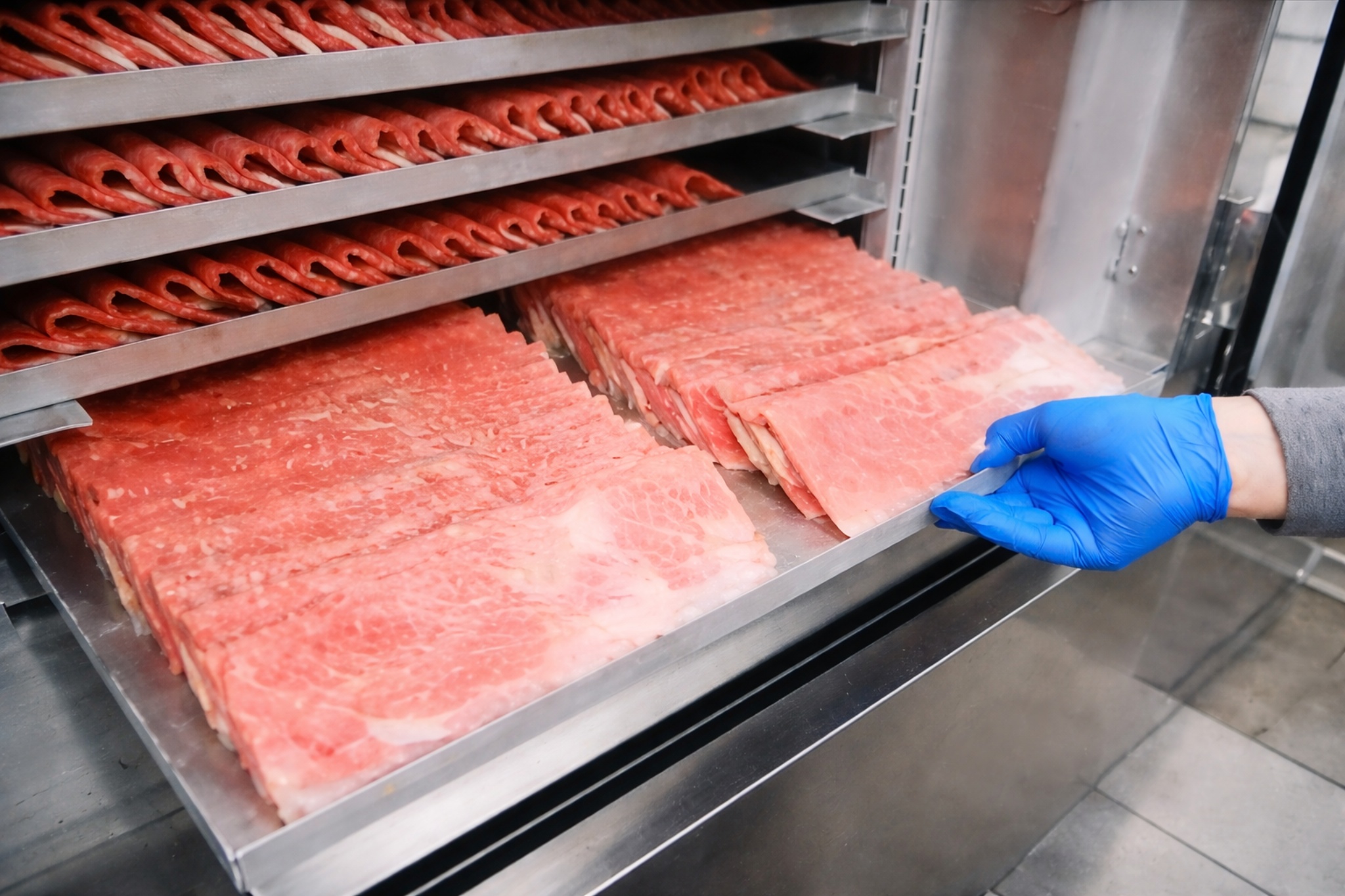
The difference lies in the way freezing takes place. Proton combines cold air, a unidirectional magnetic field, and electromagnetic waves to favor a much more orderly formation of ice crystals. Instead of generating large, aggressive structures capable of breaking the cell and altering the product, it helps produce nanocrystals that are much smaller, more uniform, and more delicate. This is one of the keys that allows the technology to preserve the original organoleptic properties with far greater fidelity, including texture, juiciness, color, flavor, and appearance.
In conventional freezing, much of the damage reveals itself later, during thawing. That is when drip loss appears, not only as water loss, but as evidence of cellular rupture, structural deterioration, and loss of value. Proton was developed precisely to reduce that problem from the source, protect the product's internal architecture, and prevent freezing from becoming a silent surrender of quality.
What Proton makes possible in practice
A more uniform and delicate freezing process
- check_circle Favors the formation of ice crystals that are much smaller, more uniform, and more controlled.
- check_circle Reduces the structural damage that usually becomes visible during thawing.
- check_circle Helps preserve product consistency even in especially sensitive categories.
- check_circle Enables a non-damaging freezing process that is far more respectful of the structure and nature of the food.
Far more faithful product preservation
- check_circle Better maintains the original cellular structure.
- check_circle Preserves texture, flavor, color, and juiciness with greater fidelity.
- check_circle Significantly reduces drip loss and fluid loss.
- check_circle Reduces dehydration and helps preserve a much more adequate moisture level.
- check_circle Better protects the organoleptic properties and nutritional value of the food.
More possibilities to operate better
- check_circle Makes it possible to work with raw materials, semi-finished products, and finished dishes with much higher quality after thawing.
- check_circle Facilitates the standardization of recipes, processes, and results.
- check_circle Makes it possible to keep frozen stock of already prepared product without sacrificing value.
- check_circle Helps keep special menus, advance production, or seasonal preparations ready exactly when they are needed.
- check_circle Reduces the burden of seasonality on the operation and expands the freedom to buy, plan, and produce with intelligence.
That is why Proton is not limited to freezing fast. It changes the entire logic of the process. It makes it possible to preserve food with far greater fidelity after thawing and opens the door to working with categories that, under conventional methods, usually lose too much value in texture, color, flavor, or consistency. Proton breaks with the idea that the losses the market accepted as normal for decades are inevitable.
Available Equipment
Proton is available in three main equipment families: tray cabinets, continuous freezing tunnels, and Reborn carts. Each one responds to a different operational logic and makes it possible to bring magnetic freezing into batch processes, continuous flows, or more flexible schemes in both food and medical applications.
Tray cabinets
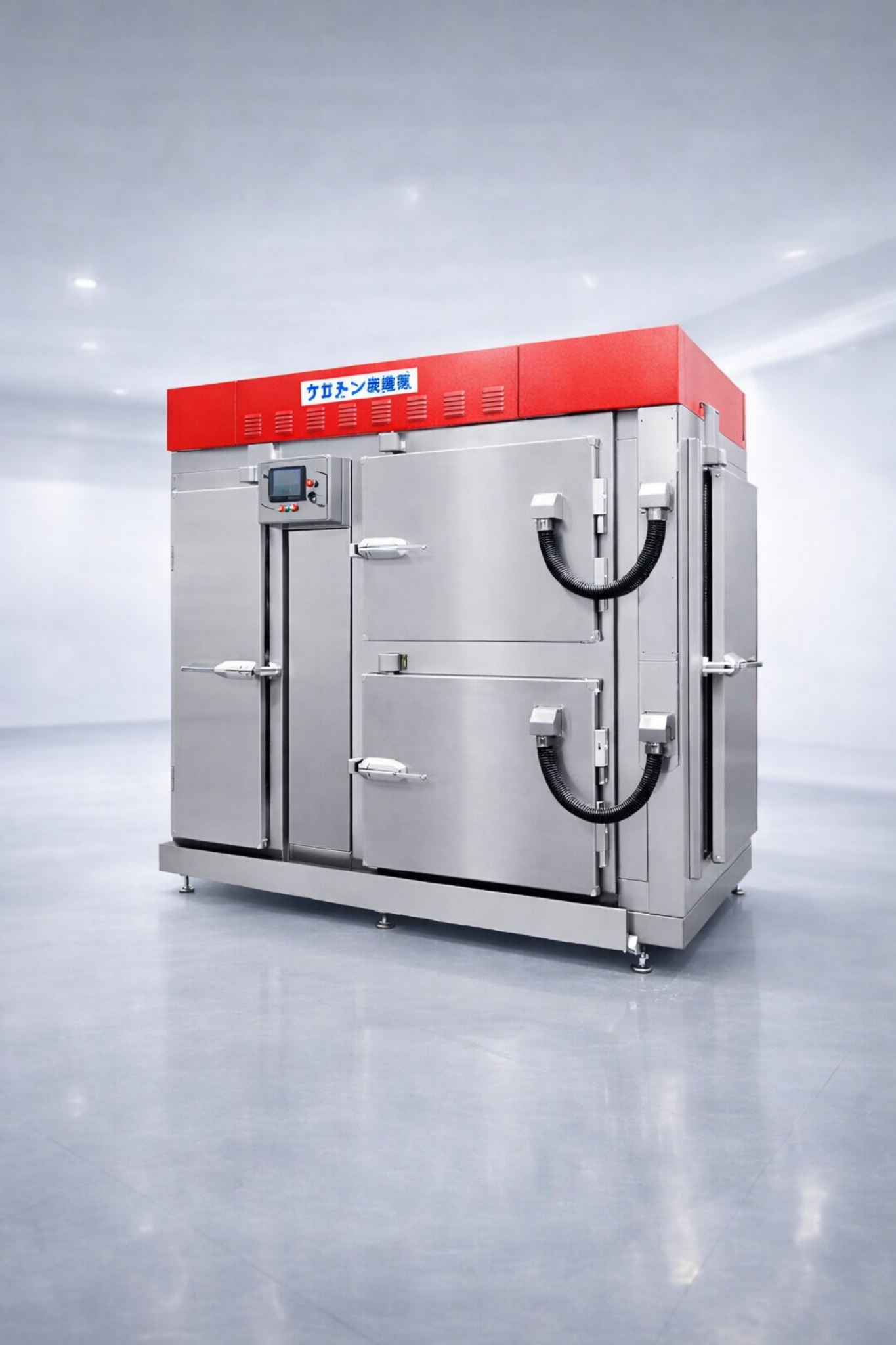
Tray cabinets are a highly valuable solution for operations that require control, precision, and cycle-based work. This family includes the PF series, with models ranging from PF-3 to PF-150 and nominal capacities from 3 kg to 150 kg per cycle. In the higher-capacity units, the configuration also includes an external condensing unit.
This range makes it possible to serve compact operations as well as much more robust projects, without losing the logic of order, repeatability, and control that many plants need. Each unit starts from a clear base configuration, but there is also room to adapt elements such as the number or arrangement of trays when the operation requires it.
Continuous freezing tunnels
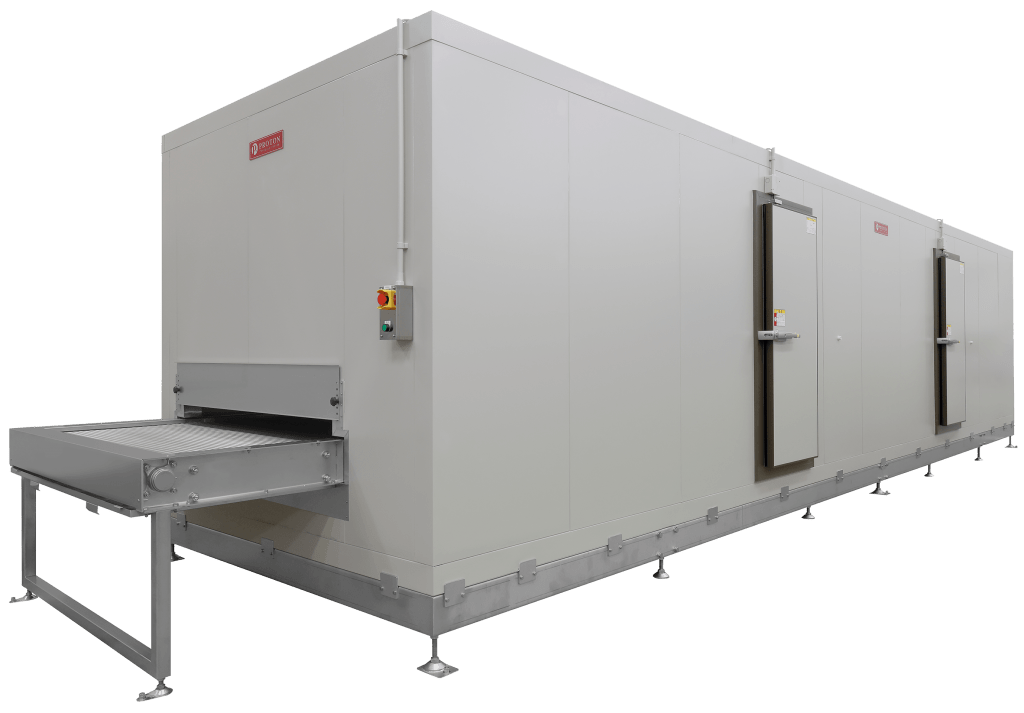
Continuous freezing tunnels are the right option for operations where the priority is no longer working by cycles, but sustaining a constant production flow. Here, the conversation changes completely. The focus moves to continuity, rhythm, and capacity.
The TU series includes two standard models, TU-300 and TU-500, with effective belt lengths of 8.2 x 1.4 m and 12.7 x 1.4 m, respectively. Both require an external condensing unit.
This family also supports custom projects. The effective belt length and the total size of the tunnel can be adjusted to respond to higher requirements, even in high-capacity operations, depending on the type of product.
Reborn carts
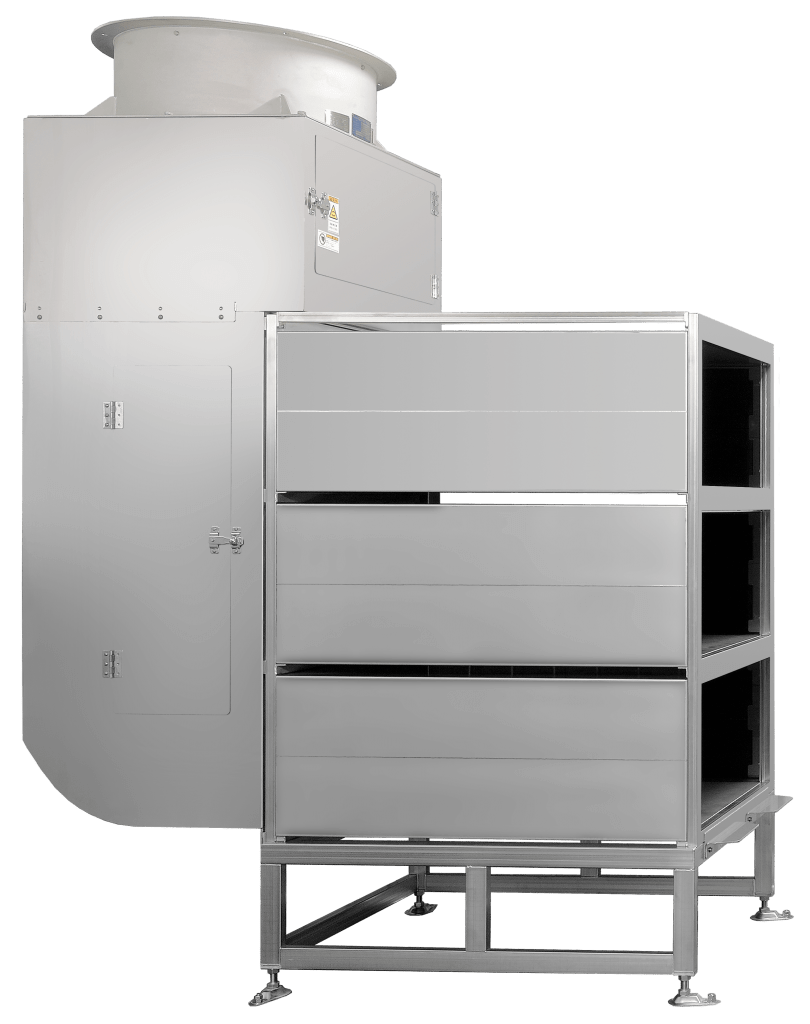
The Reborn range offers another way to integrate Proton into the operation. It is based on freezer carts that can be installed inside an existing freezing chamber or inside a new chamber conditioned for this technology. It is an especially attractive solution when flexibility, progressive growth, or the ability to work with large-dimension, high-volume, or thicker products is required. In Japan, this line has become one of the most widely used even for freezing whole tuna.
The series includes two main configurations: the M cart, with 15 trays and an approximate nominal capacity of 100 kg, and the G cart, with 21 trays and an approximate nominal capacity of 125 kg. Actual capacity depends on the type of product, its dimensions, packaging, height, and freezing conditions. The trays are removable, the system is expandable, and new units can be added as the project grows. It also makes it possible to work with large-dimension, high-volume, or thicker products, always inside a freezing chamber conditioned to operate within the temperature range required by the technology.
A technology that adapts to the reality of each operation
The great strength of Proton does not lie only in the quality of the result, but in the possibility of bringing the technology into different formats according to the product, the volume, the pace of work, and the way each operation needs to integrate it. There are standard equipment lines with very clear base specifications, but there is also room for adaptations that provide greater flexibility and allow the technology to respond better to the reality of each project.
Applications and Sectors
Proton technology can be integrated into very different contexts because it responds to a transversal need: preserving, with far greater fidelity, what is normally lost when freezing. Its value becomes especially clear in operations where quality, consistency, planning, and product shelf life carry strategic weight.
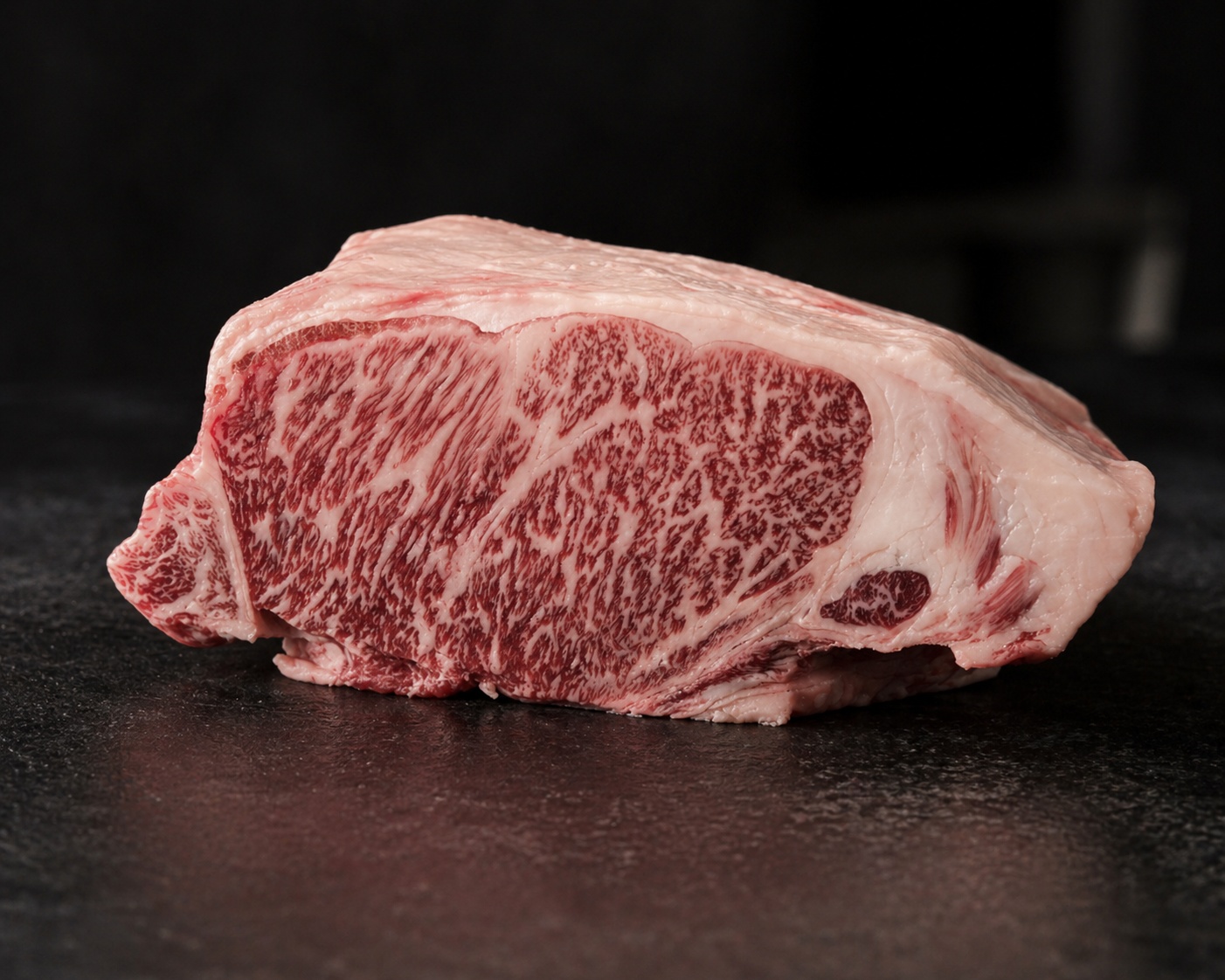
Food production and processing
Proton offers a very clear advantage for operations that work with raw materials or prepared products whose value depends on preserving texture, color, flavor, juiciness, and structure after thawing.
Product categories:
HORECA, catering, and central kitchens
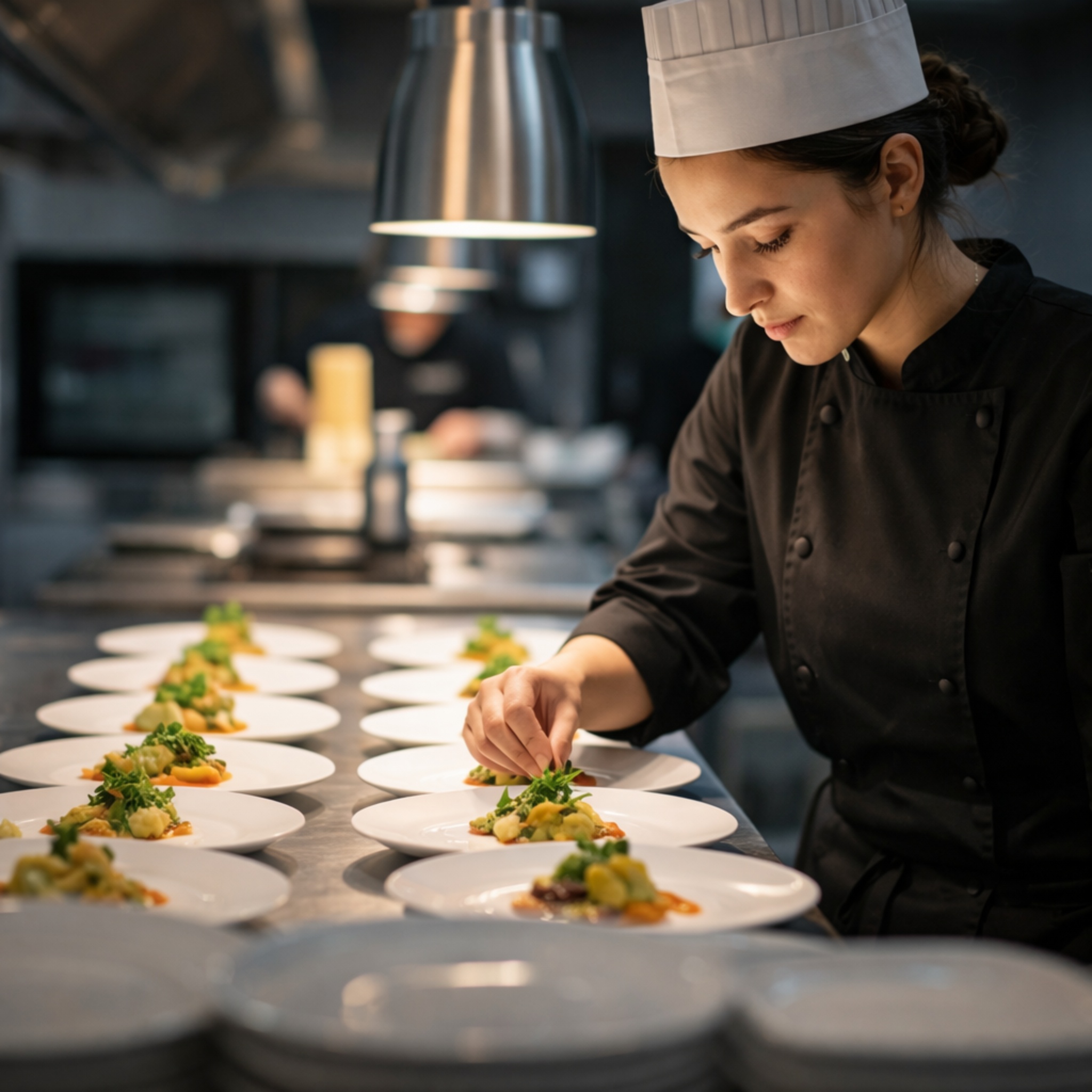
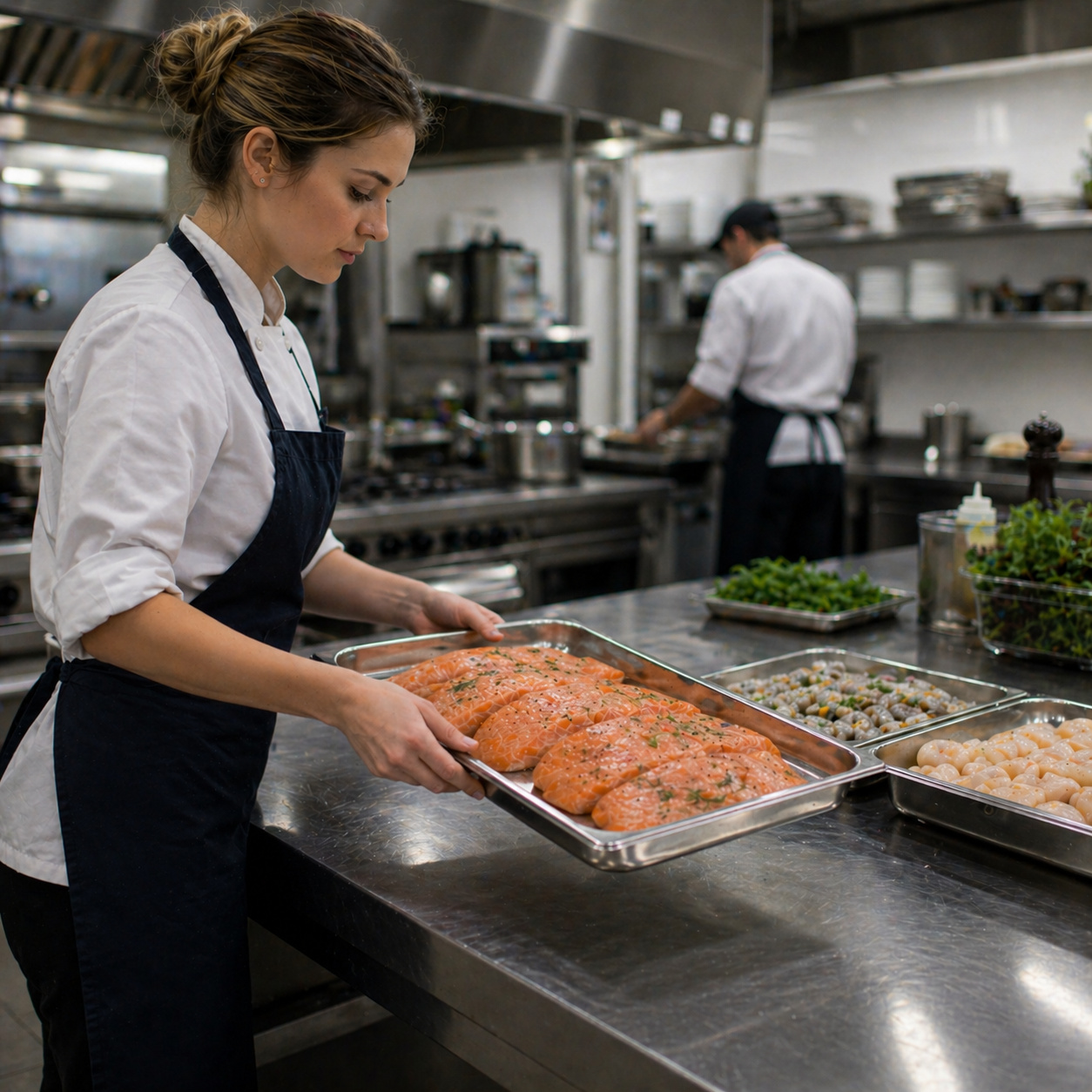
In hotels, restaurants, central kitchens, banquets, and catering services, Proton makes it possible to work with a much more robust logic of advance production, preservation, and regeneration. This makes it possible to have finished or semi-finished dishes, standardize recipes, ensure consistency across services, and keep special menus always ready when the operation needs them.
Operating models:

Distribution, retail, and export
For distributors, retailers, and export-oriented operations, Proton helps decouple quality from seasonality and the urgency to sell. It makes it possible to buy or process at optimal moments, build inventories with far greater value, and commercialize for longer without sacrificing product perception.
Use cases:
- checkdistributors
- checkretailers
- checksupermarkets
- checkgourmet stores
- checkexport
- checkpurchasing at the optimal moment of quality and price
- checkseasonality reduction
- checkhigher-value frozen stock
- checkextended product availability
Health, research, and sensitive materials
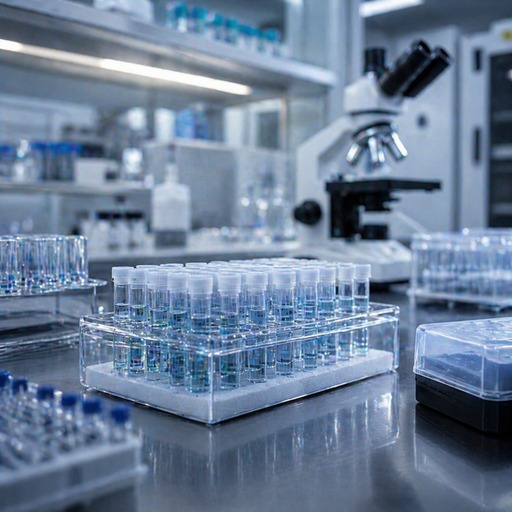
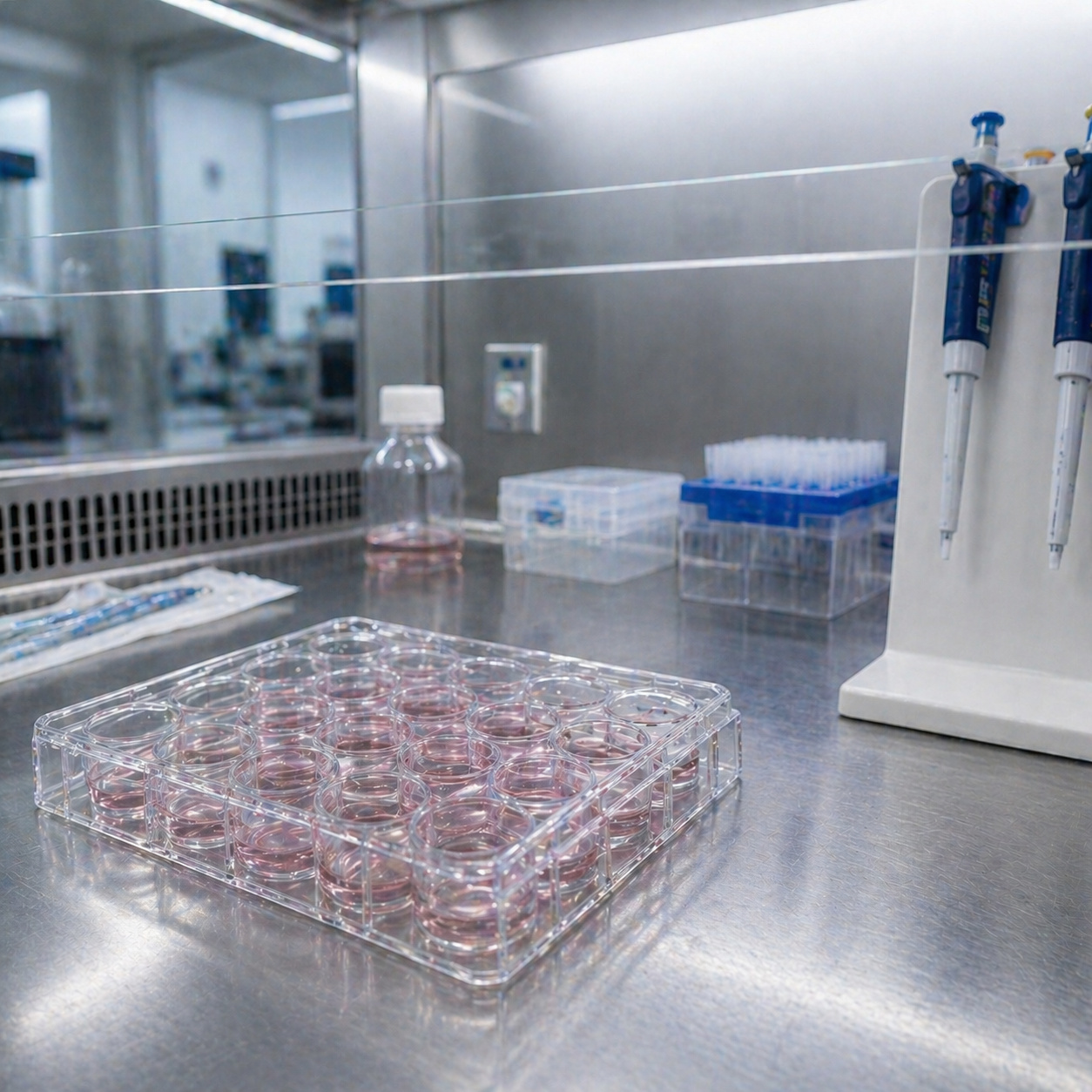
Proton's reach is not limited to the food world. The technology also opens relevant possibilities for biological samples, tissues, and other sensitive materials where freezing must preserve much more than simple viability. Here, structural integrity, functional recovery, and the need to preserve delicate biological architectures with greater fidelity come into play.
Application areas:
One technology, very different operational realities
"Proton's strength lies in the fact that it does not impose a single way of working. It can adapt to very different industries, products, and operating rhythms, as long as there is a clear need to preserve better, plan with greater intelligence, and protect the real value of what is produced, prepared, distributed, or preserved."
Key Questions
Detailed answers to understand the technology, its integration, and its strategic value.
Product Quality
Exploring how Proton's molecular intervention redefines sensory excellence in preserved foods.
Operation and Implementation
Systemic flexibility designed to integrate smoothly into high-performance industrial infrastructures.

Profitability and Business Model
The value of precision: reducing waste and optimizing CAPEX through technical excellence.
Direct Impact
Proton does not improve a single variable; it elevates the economic ecosystem of your operation.
Applications and Sectors
Preserving the original quality and structure with fidelity in industries where technical excellence is strategic.
The difference between freezing and preserving
With Proton, freezing stops being a silent surrender of quality and becomes a far more intelligent way to protect value, expand possibilities, and operate with greater strength. That is the difference between simply freezing and truly preserving.
Let's talk about your operation